Free Podcast Template By CapCut
Create a professional podcast template in seconds with CapCut. Customize stunning visuals for your intro, outro, or promo clips. Easy to use and free. Start now!
More Templates


20K
podcast opening

17.5K
Intro podcast
12.9K
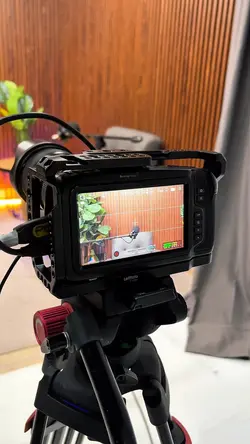
Podcast BTS

12.5K
Podcast YT Intro 🎙️

9.5K
Audiobook Template 3

7.7K
Podcast Intro

6.3K
Podcast YT Intro

6.2K
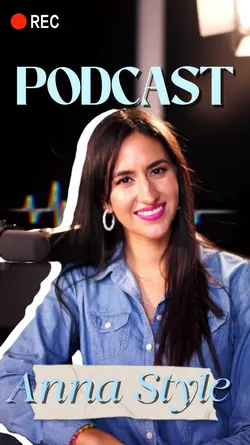
PODCAST INTRO
5.9K
opening

5.6K
INTRO PODCAST

5.2K
1:1 Opening

4.6K
intro

4.3K
opening podcast

3.9K
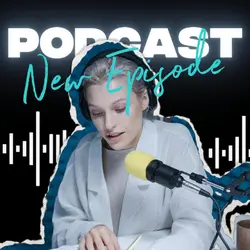
podcast
3.4K
podcast

2.7K
PODCAST INTRO

1.8K
Template Cliper

1.6K
podcast

1K
PODCAST OPENING

472
PODCAST TEMPLATE
1
Hot Templates
Timeliness TemplatesNewspaper AnimationNewscastNewspaper TemplateFree Newspaper TemplateFactNews TemplateBreaking News Video ClipTV 2News Broadcast TemplateAi Generated NewsFree News Intro TemplateFree Newspaper Effect TemplateNews Background Video Free DownloadMagazine TemplatesWitness Speech VideoNews Transition EffectFront Page DesignNews Breaking TemplateExtra Extra Read All AboutCustom Newspaper TemplateNews Transition VideoLive Streaming TrendCopyright-Free News TemplateWeather Forecast Background Music Free DownloadNewspaper Template Free DownloadCanva Newspaper TemplateEarthquakeNews Template FunnyTechnology HeadlineMagazine Cover TemplateNews MusicFree News Intro Effects TemplateHorizontal News TemplateRoyalty Free News Background MusicNews TemplatesMagazine TemplateNews Background Music No Copyright DownloadMagazine Template Free DownloadTech Fun FactsToday'S Weather ForecastVoice Of VietnamFree Newspaper Template For Download24H NewsNewspaper Clipping TemplateSimple News ThemeNews Channel Intro Template Free DownloadNews Broadcast BackgroundFree Blogger News Templates Without Copyright
About podcast template
Launch your show with a stunning podcast template designed to capture your audience's attention from the first second. Whether you're in the news and media industry or covering any other niche, a professional visual identity is crucial for standing out. CapCut offers a diverse collection of fully customizable podcast templates that make creating high-quality intros, outros, and promotional clips effortless. Forget complex software; our intuitive editor lets you add your branding, text, and clips with simple drag-and-drop tools. Elevate your production value and build a memorable brand without any design experience. Find the perfect look for your content and give your show the polished feel it deserves. Start browsing our templates now and click to customize your next episode's visuals.
Use podcast templates for a specific part of the episode
The collection includes SIMPLE INTRODUCTION, INTRO PODCAST YT, podcast opening, Podcast BTS, PODCAST INTRO, 1:1 Opening, and Outro Podcast. Podcast templates can open a full episode, introduce speakers, promote one excerpt, show behind-the-scenes footage, or close with a next step. Decide which of those jobs the video has before selecting clips.
Build an intro differently from a promotional excerpt
An episode intro should identify the show, episode topic, and speakers without repeating a long biography. A promotional clip needs a complete idea: enough context before the strongest line and enough response afterward to avoid changing its meaning. Behind-the-scenes edits can use preparation, microphones, notes, and natural interaction, while an outro can point to the next episode or listening destination if the selected fields are editable.
Protect clarity when audio carries the story
Use the cleanest available audio and check that background music, if adjustable, does not compete with speech. Add speaker labels when two voices could be confused, and review captions against the recording rather than accepting every automatic result. Verify names, guest roles, episode number, title, and release information. A 1:1 opening can suit a square placement, but important faces and text still need a crop check for the intended destination.
Watch the finished segment once with captions and once without looking at them. The clip should remain understandable through the audio, while the text should help viewers who begin muted. A template can establish the visual identity; accurate context and an unbroken thought are what make the podcast segment worth watching.
FAQs
Q: How is a podcast intro different from a podcast promo clip?
A: An intro identifies the show, episode, and speakers before the conversation begins. A promo clip selects one complete idea from the episode and gives viewers enough context to understand it. The promo should not rely on the unseen full recording.
Q: What information belongs on a podcast opening card?
A: Usually include the show name, episode title or topic, and the host or guest names when relevant. Add an episode number or release date only when it helps identification. Keep secondary credentials short enough to read.
Q: How do I trim a podcast quote without changing its meaning?
A: Listen beyond the intended highlight and retain the sentence that establishes the subject, any important qualification, and the response that completes the idea. Avoid joining separate statements in a way that creates a claim the speaker did not make.
Q: When should speaker labels appear in a podcast video?
A: Use them when the frame does not clearly show who is talking, voices are similar, or an audio-only section uses supporting visuals. Keep each label consistent and verify the spelling and role of every person before publishing.
Q: What should I review in automatically generated podcast captions?
A: Compare every line with the recording, paying special attention to names, technical terms, numbers, negations, and speaker changes. Then check line breaks and timing so captions do not reveal a punchline early or remain after the speaker has moved on.
Q: Does a 1:1 podcast opening work for every placement?
A: A square opening is useful for placements that display square media, but other destinations may crop or add interface overlays differently. Preview the intended placement and keep faces, titles, and speaker labels away from vulnerable edges.